First-Time Homebuyer's Guide to the Sacramento Valley in 2026

Buying your first home in the Sacramento Valley in 2026 is more achievable than most renters realize — especially with inventory loosening from the frenzy years, several active down payment assistance programs, and a market that is finally giving buyers the time and space to make confident decisions.
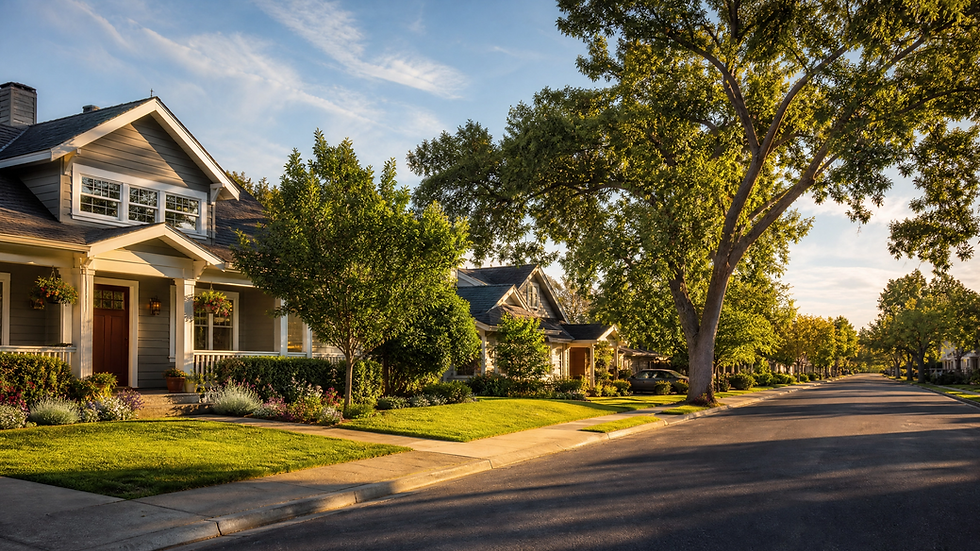
If you have been watching home prices, tracking interest rates, and wondering whether this is finally your year, the short answer is: it might be. The Sacramento region — including Galt, Elk Grove, Lodi, Wilton, and Herald — is in a stabilizing phase that favors prepared, informed buyers. Inventory has loosened to about 2.8 months of supply, and while homes that sell still tend to go under contract in roughly three weeks, listings overall are now sitting closer to 40 days than they did during the frenzy years — and sellers are increasingly open to negotiations they would have laughed at two years ago. [1]
This guide walks you through everything you need to know to buy your first home in the Sacramento Valley this year — from understanding your finances to navigating assistance programs to choosing the right community for your lifestyle.
Step 1: Get Your Finances in Order Before You Search
The biggest mistake first-time buyers make is falling in love with a home before they know what they can afford. Before you open a single listing on Zillow, you need to have a clear picture of three numbers: your credit score, your debt-to-income ratio, and how much cash you have available for a down payment and closing costs.
Most conventional loan programs require a minimum credit score of 620, though a score of 700 or above will get you significantly better interest rates. At the current 30-year fixed rate of approximately 6.58% [2], your credit score can make a meaningful difference in your monthly payment over the life of a loan.
Your debt-to-income ratio (DTI) is equally important. Lenders generally want to see your total monthly debt payments — including the new mortgage — at or below 43% of your gross monthly income. If your DTI is too high, paying down a car loan or credit card balance before applying can make a real difference in what you qualify for.
Once you have a handle on those numbers, your next step is getting pre-approved — not just pre-qualified — by a local lender. A pre-approval letter is what separates serious buyers from browsers in the eyes of sellers, and it gives you a firm budget to work within.
Step 2: Explore Down Payment Assistance Programs
One of the most persistent myths in real estate is that you need a 20% down payment to buy a home. In California, that figure on a median-priced Sacramento home would be over $120,000 — an impossible bar for most first-time buyers. The reality is that many buyers close with 3% to 5% down, and several programs exist specifically to help cover those costs.
CalHFA MyHome Assistance Program offers a deferred-payment junior loan to help with down payment or closing costs — up to 3.5% of the purchase price when paired with an FHA loan, or up to 3% with a conventional loan. [3] Payments are deferred until you sell, refinance, or pay off your first mortgage. To qualify in Sacramento County, your household income must be no more than $239,000 per year.
CalHFA Zero Interest Program (ZIP) is designed specifically to cover closing costs — one of the most overlooked expenses in the buying process. It provides a silent second loan for 2% or 3% of your first mortgage at zero percent interest, with payments deferred for the life of the loan. [4] ZIP can be combined with the MyHome program, allowing buyers to stack both programs to cover both down payment and closing costs simultaneously.
The WISH Program, offered through Sacramento Credit Union in partnership with the
Federal Home Loan Bank of San Francisco, provides 4-to-1 matching grants for down payment and closing costs. [5] The maximum grant amount for 2026 is $32,837. Unlike a loan, this is a grant — meaning it does not need to be repaid as long as you remain in the home for a required period.
Working with a CalHFA-approved lender is required for most of these programs. Ask your agent for a referral to a trusted local lender who is familiar with stacking these programs effectively.
Step 3: Choose the Right Community for Your Life
The Sacramento Valley is not a single market — it is a collection of distinct communities, each with its own character, commute patterns, and lifestyle. Choosing the right one is just as important as choosing the right home.
Galt is a standout for buyers who want a genuine small-town feel without sacrificing accessibility. Located along Highway 99, Galt offers a strong sense of community, local events, and family-friendly neighborhoods. It is a top choice for buyers who want space, quiet streets, and a slower pace of life while remaining within a reasonable drive of Sacramento.
Elk Grove is one of the fastest-growing cities in California and offers a full suburban experience — master-planned communities, extensive parks, top-rated schools, and a wide range of dining and retail. For buyers who want modern infrastructure and a shorter commute to downtown Sacramento, Elk Grove is consistently popular.
Lodi blends agricultural heritage with a vibrant downtown scene. Known for its wine country setting and historic Main Street, Lodi attracts buyers who want character, community, and a distinct sense of place. It is also a strong choice for buyers interested in acreage or rural properties.
Wilton and Herald are ideal for buyers seeking larger lots, rural properties, or land with agricultural potential. These communities sit just outside the urban core but remain highly accessible, making them a compelling option for buyers who want the country lifestyle without being far from city services.
Step 4: Negotiate Smart in Today's Market
The 2026 Sacramento market rewards buyers who know how to use the current conditions to their advantage. With inventory up and homes taking longer to sell than they did during the frenzy years, there are real opportunities to negotiate — but the strategy matters.
Rather than simply asking for a lower price, consider requesting a seller-paid rate buydown. A $10,000 to $15,000 seller credit applied to buying down your interest rate can reduce your monthly payment by $100 to $200 or more and save you significantly over the first several years of your loan. This approach often feels more palatable to sellers than a price reduction because it does not affect their net proceeds in the same visible way.
Also pay attention to homes that have been on the market for more than 30 days. In the current environment, a listing that has sat noticeably longer than the local average often signals a motivated seller who is ready to negotiate on price, repairs, or closing cost credits.
Ready to Take the First Step?
Buying your first home is one of the most significant financial decisions you will ever make, and having the right agent in your corner makes all the difference. Connor Hoffman — The Galt Guy — specializes in helping first-time buyers navigate the Sacramento Valley market with clarity and confidence. From connecting you with trusted local lenders to identifying the right neighborhoods and negotiating the best possible terms, Connor is your guide from first conversation to closing day.
Schedule your free buyer consultation today.
Contact Connor Hoffman | (916) 619-9386 | connor@pdf-usa.com
Frequently Asked Questions
What qualifies as a first-time homebuyer in California? In California, you are generally considered a first-time homebuyer if you have not owned and occupied a primary residence in the past three years. This means even previous homeowners may qualify after a period of renting.
Do I need a 20% down payment to buy a house in the Sacramento Valley? No. Many first-time buyers purchase homes with 3% to 5% down. State programs like CalHFA MyHome and the WISH grant can help cover these costs, making homeownership accessible at a much lower upfront investment.
How much are closing costs in Sacramento? Closing costs typically range from 2% to 3% of the home's purchase price and cover lender fees, title insurance, escrow fees, and prepaid property taxes. Programs like CalHFA ZIP are specifically designed to help first-time buyers cover these expenses.
Is 2026 a good time to buy a first home in Sacramento? For prepared buyers, yes. Inventory has loosened compared to the frenzy years, homes that sell go under contract in about three weeks while listings overall now sit closer to 40 days, and sellers are more open to negotiation than they have been in recent years. Buyers who are pre-approved and working with a knowledgeable local agent are well-positioned to find a great home at a fair price.
Sources: [1] California Association of REALTORS® June 2026 Home Sales and Price Report (Sacramento County: 2.8 months of supply, 22-day median time to sell); realtor.com / Movoto Sacramento active-listing data, July 2026. [2] Freddie Mac Primary Mortgage Market Survey, week of July 23, 2026. [3] CalHFA MyHome Assistance Program, calhfa.ca.gov. [4] CalHFA Zero Interest Program (ZIP), calhfa.ca.gov. [5] Sacramento Credit Union WISH Program, sactocu.org / Sacramento Bee, June 10, 2026.